One of the first decisions you'll face when adding skill games to your business is whether to go with a revenue share arrangement or buy machines outright. Both models work - but which is right for YOUR situation?
The Two Models Explained
Revenue Share (Placement)
With revenue share, we place machines at your location for free. Revenue is split between you and us, typically 35-50% to you depending on the arrangement.
Direct Purchase
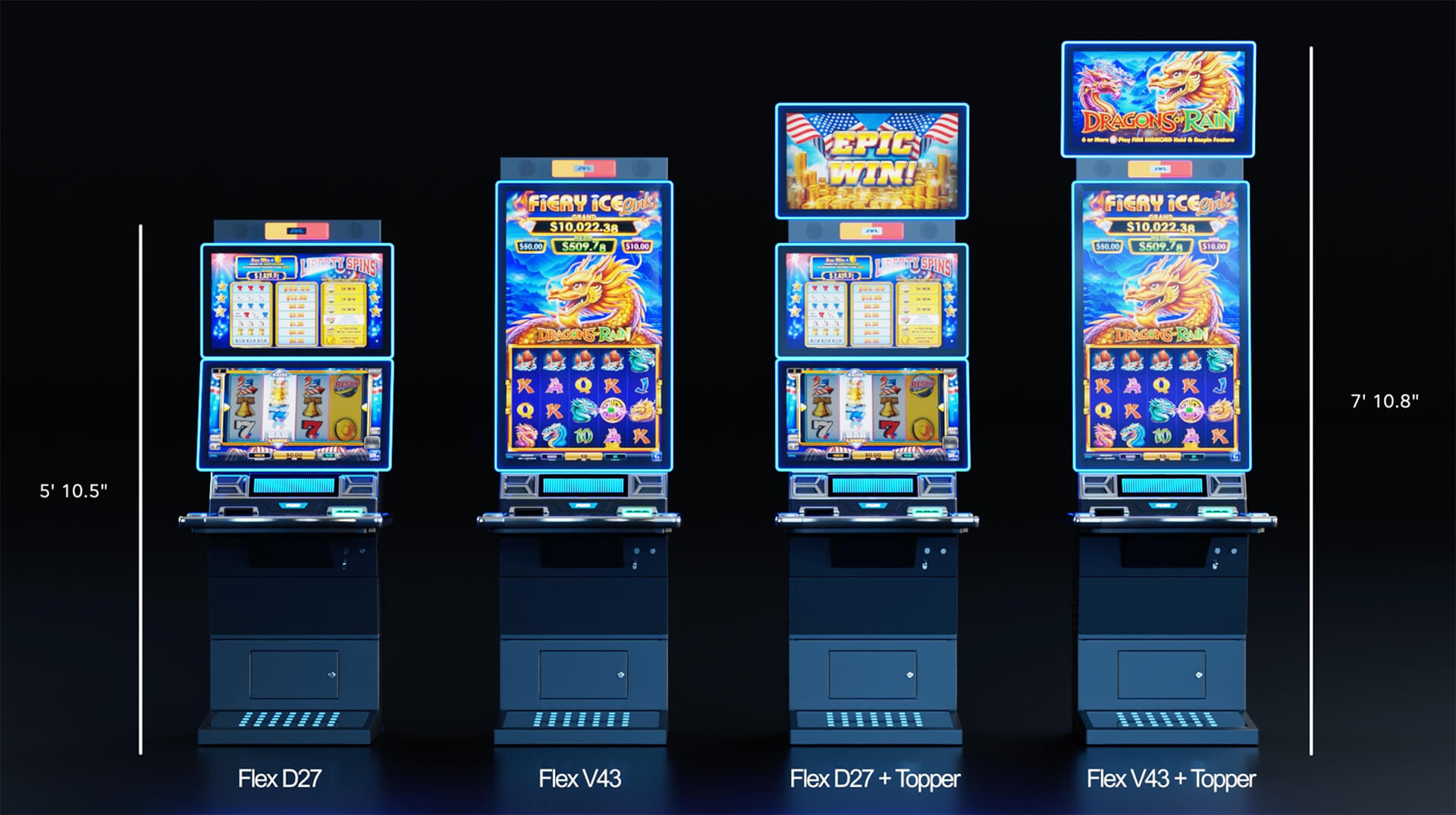
You buy the machines outright (we sell JVL machines). You keep 100% of the revenue but are responsible for the machines.
Revenue Share: The Details
How It Works
- We assess your location and determine if it's a good fit
- We install machines at no cost to you
- Revenue is collected and split on an agreed schedule
- We handle maintenance, repairs, and game updates
- You provide the space and electricity
Pros
- Zero upfront cost: No capital investment required
- No risk: If machines don't perform, you haven't lost anything
- Maintenance included: We handle all repairs and issues
- Game updates: We keep content fresh
- Easy to start: Quick setup with no paperwork hassle
Cons
- Lower revenue share: You keep 35-50%, not 100%
- Less control: We own the equipment
- Long-term cost: Over years, you pay more than purchase price
Best For
- New operators testing the market
- Businesses that don't want capital tied up
- Locations uncertain about performance
- Operators who want hands-off management
Direct Purchase: The Details
How It Works
- You purchase JVL machines from us (typically $4,000-8,000 each)
- We help with initial setup and training
- You own the machines and keep 100% of revenue
- You're responsible for maintenance (we offer service contracts)
- You handle cash collection and management
Pros
- 100% of revenue: Every dollar goes to you
- Asset ownership: Machines have resale value
- Full control: Your machines, your rules
- Better long-term economics: Pay once, earn forever
- Tax benefits: Depreciation and business deductions
Cons
- Upfront cost: $4,000-8,000 per machine
- Maintenance responsibility: You handle repairs (or pay for service)
- Risk: If performance is poor, you've invested capital
- More management: You handle everything
Best For
- Established operators confident in their location
- Businesses with capital to invest
- Entrepreneurs wanting to maximize returns
- Operators who want full control
The Math: A Real Comparison
Let's compare both models for a location earning $3,000/month gross per machine:
Revenue Share (40% to location)
- Monthly gross: $3,000
- Your share (40%): $1,200/month
- Annual income: $14,400
- Upfront cost: $0
Direct Purchase
- Machine cost: $6,000
- Monthly gross: $3,000
- Your share: $3,000/month (100%)
- Annual income: $36,000
- Payback period: 2 months
The Verdict
In this example, after just 2 months, the purchased machine has paid for itself. After year one:
- Revenue share: $14,400 earned
- Purchase: $36,000 earned minus $6,000 cost = $30,000 net
The purchase model earns more than 2x as much in the first year. However, this assumes strong performance. If the machine only earns $1,500/month, payback takes 4 months - still good, but more risk.
The Hybrid Approach
Many successful operators use both models:
- Start with revenue share to test your location and learn the business
- Track performance for 6-12 months
- Buy machines for your proven, high-performing spots
- Keep revenue share for newer or uncertain locations
This gives you the best of both worlds: low-risk testing combined with maximum returns on proven locations.
Our Recommendation
Based on our experience with Texas operators:
- Brand new to skill games? Start with revenue share. Learn the business with zero risk.
- Confident high-traffic location? Consider buying. The math strongly favors ownership.
- Multiple locations? Use the hybrid approach. Test with revenue share, buy what works.
- Limited capital? Revenue share lets you participate without investment.
What We Offer
We support both models:
- Revenue Share: Banilla, JVL, and Primero machines available for placement
- Direct Sales: JVL FLEX machines available for purchase
- Service Contracts: Optional maintenance packages for purchased machines
- Financing: Payment plans available for qualified buyers
Let's Find the Right Model for You
We'll assess your situation and recommend the best approach - whether that's revenue share, purchase, or a combination.
Get Personalized Advice